Meridian
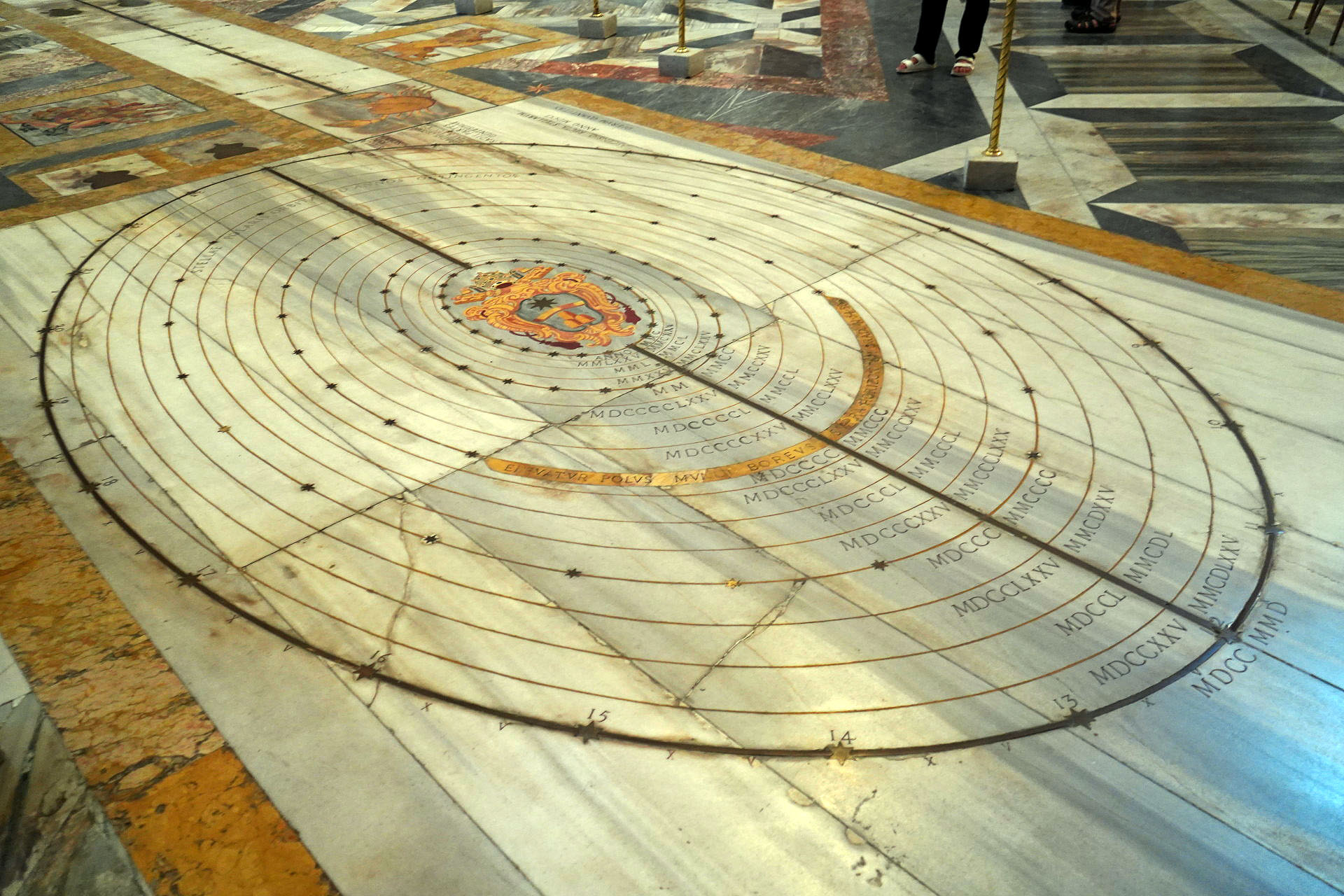
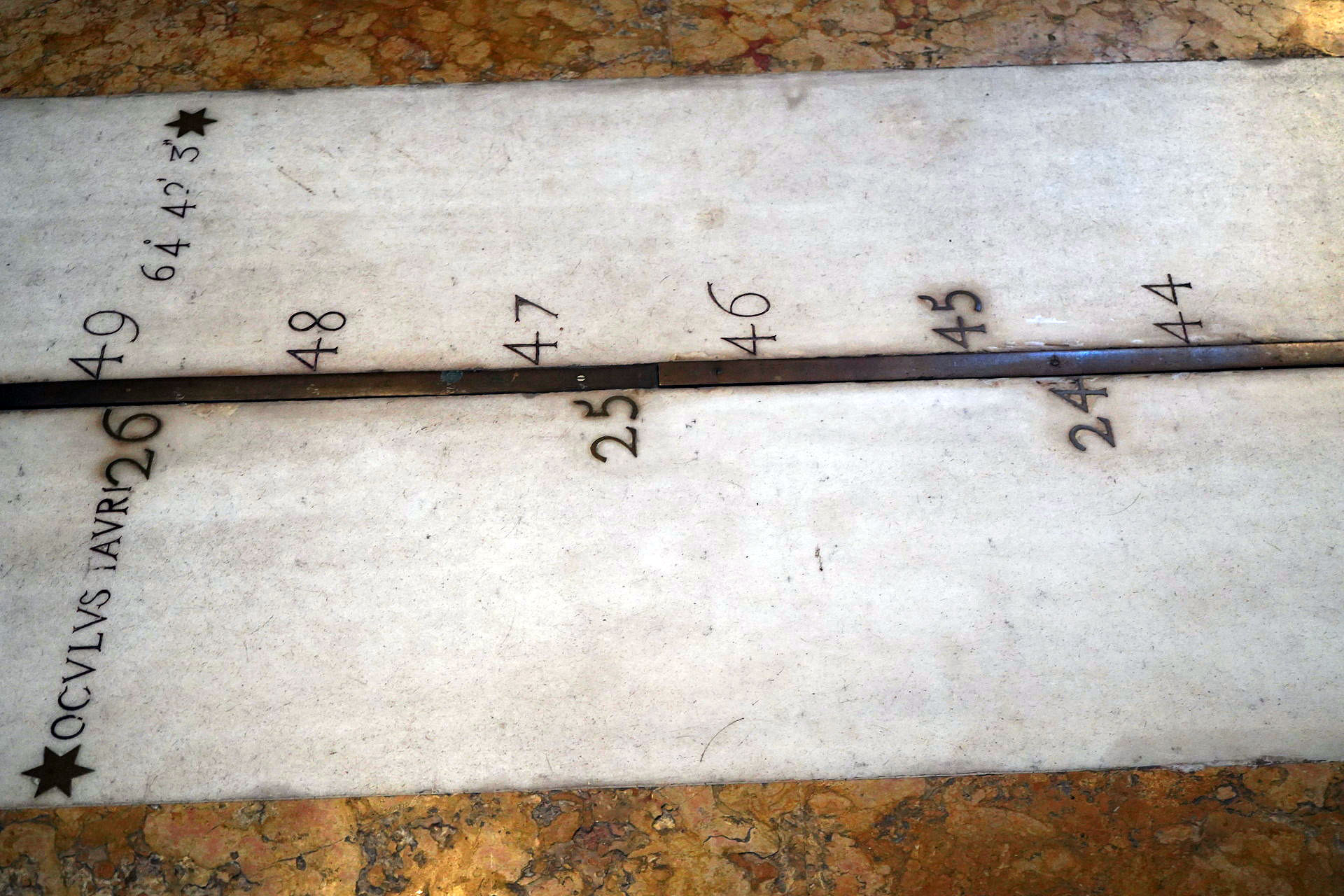
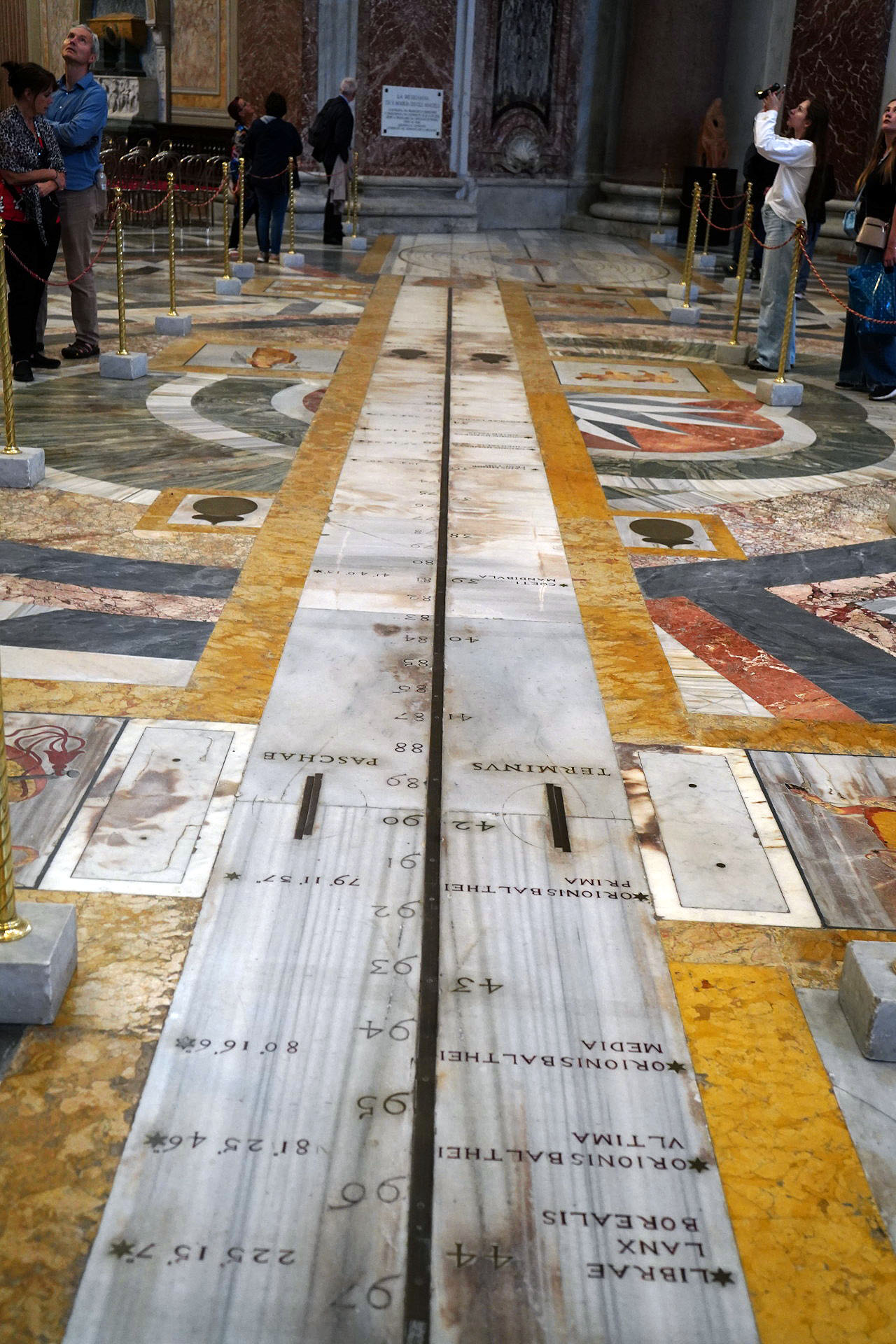
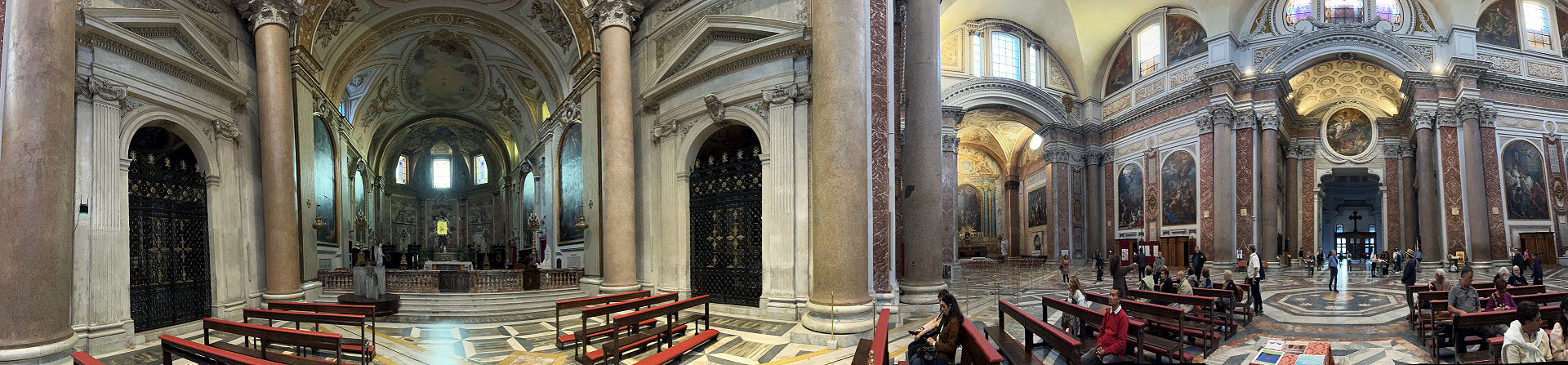
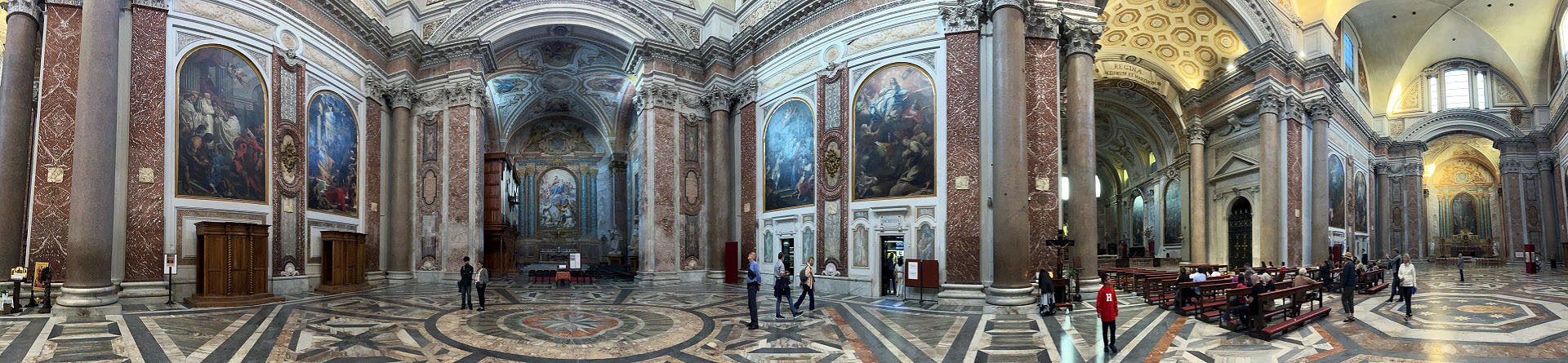
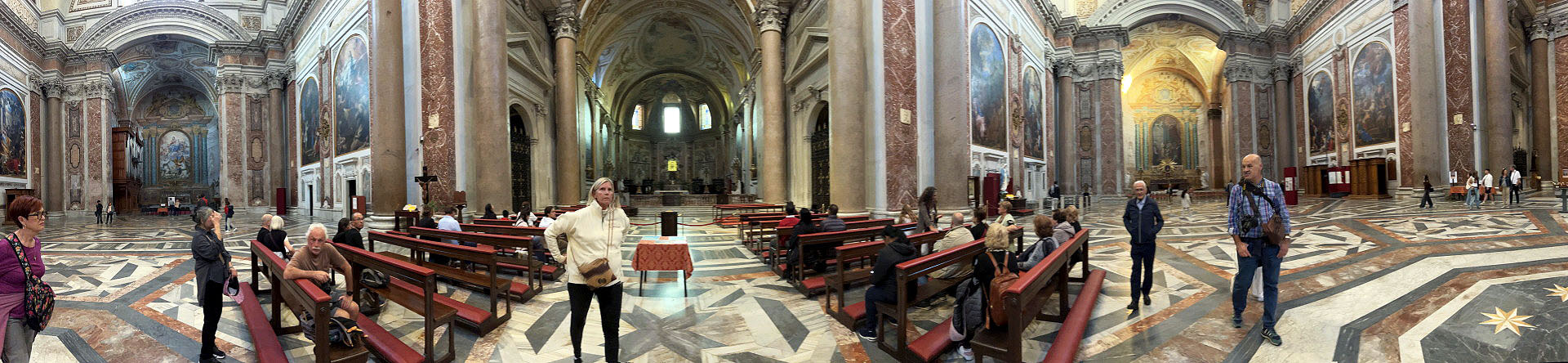
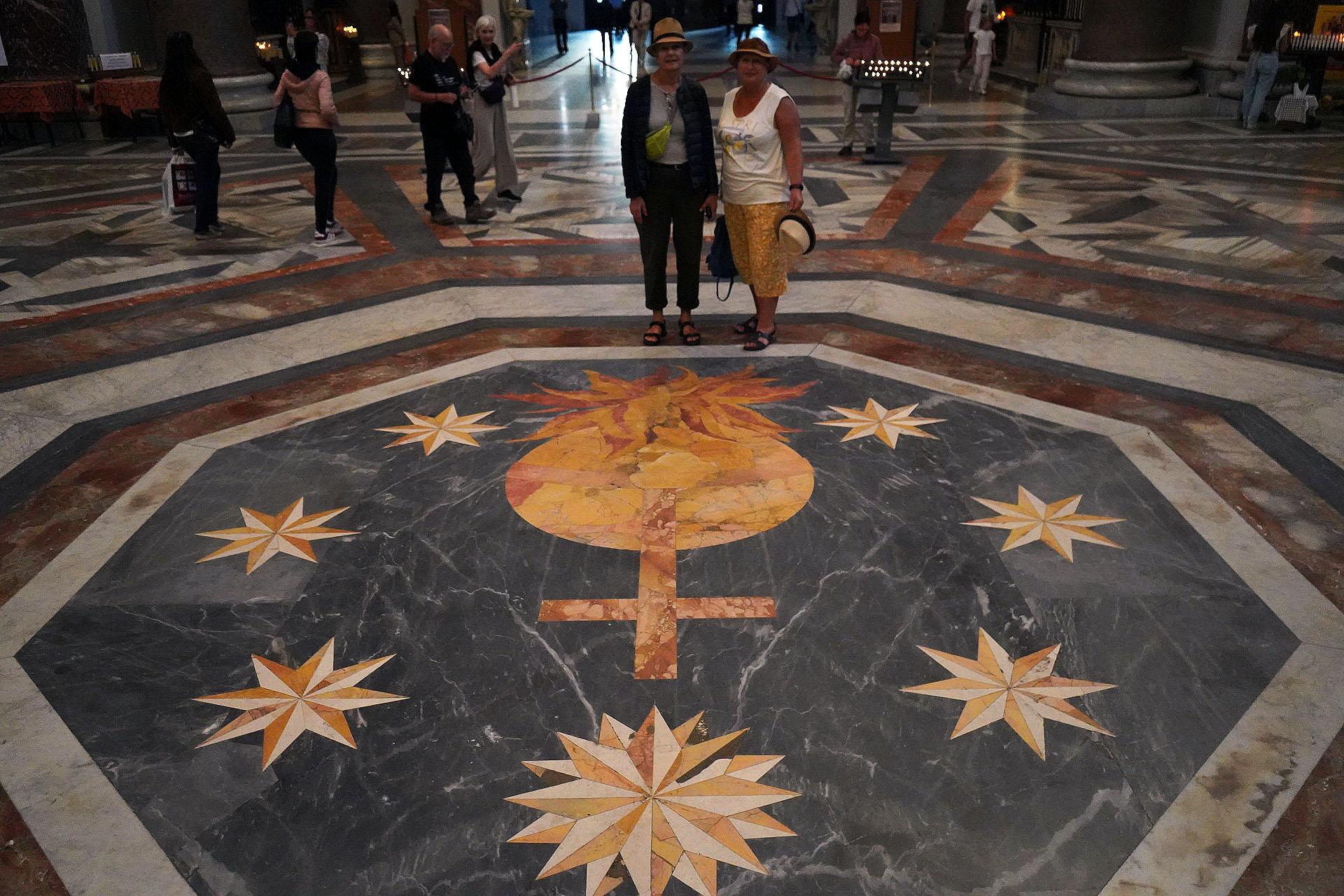
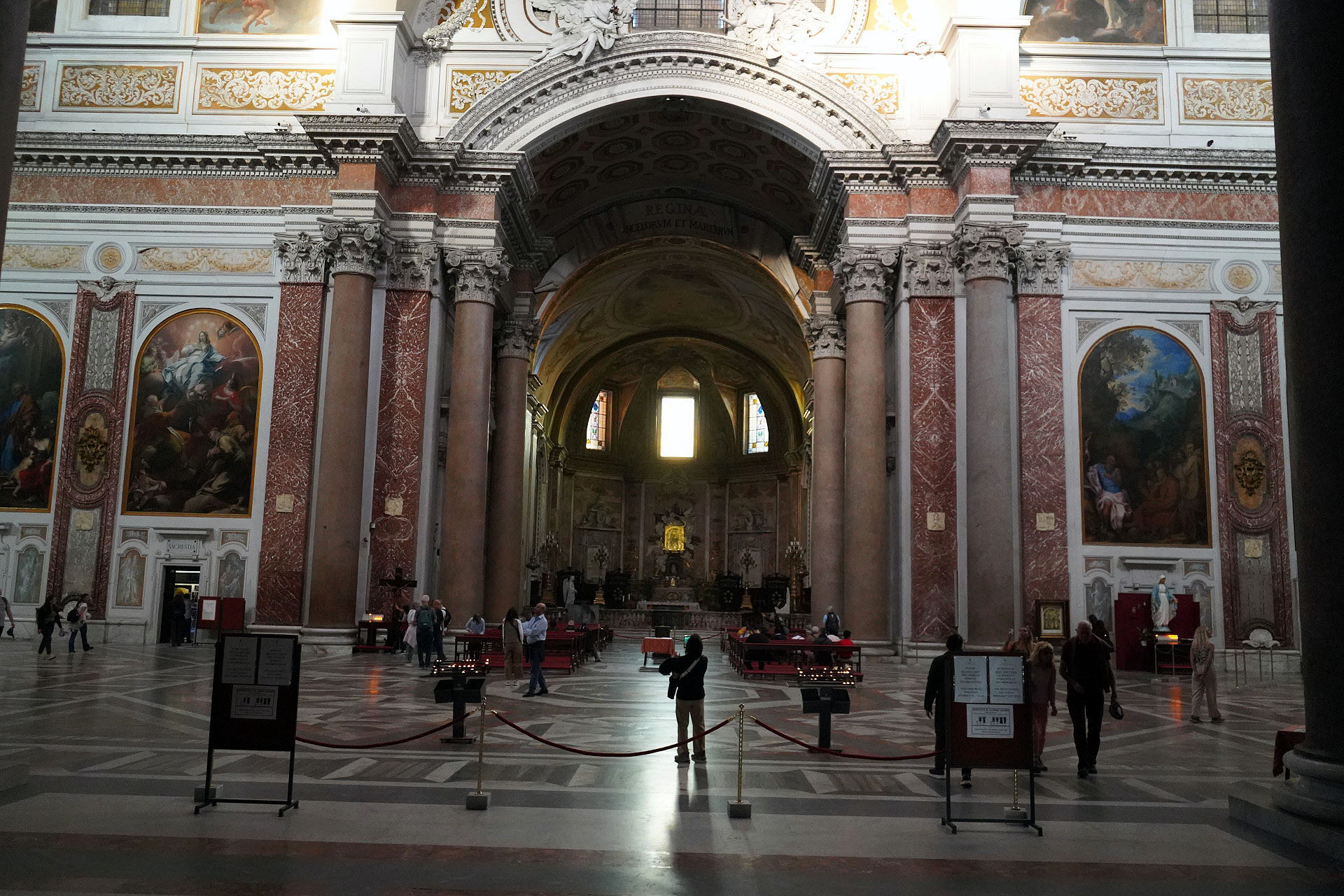
The Bianchini Meridian is an astronomical instrument located in the Basilica of Santa Maria degli Angeli e dei Martiri in Rome, commissioned by Pope Clement XI and built by Francesco Bianchini in 1702. This 45-meter-long meridian line uses a pinhole to project a solar image onto a line on the floor, which, through the sun’s changing position throughout the year, shows the day of the year and helped verify the accuracy of the Gregorian calendar. The instrument is also known as the Clementine Line and is considered a historical and significant tool for both astronomy and timekeeping.
Function: It was built to verify the accuracy of the Gregorian calendar by precisely measuring the tropical year and the dates of solstices and equinoxes.
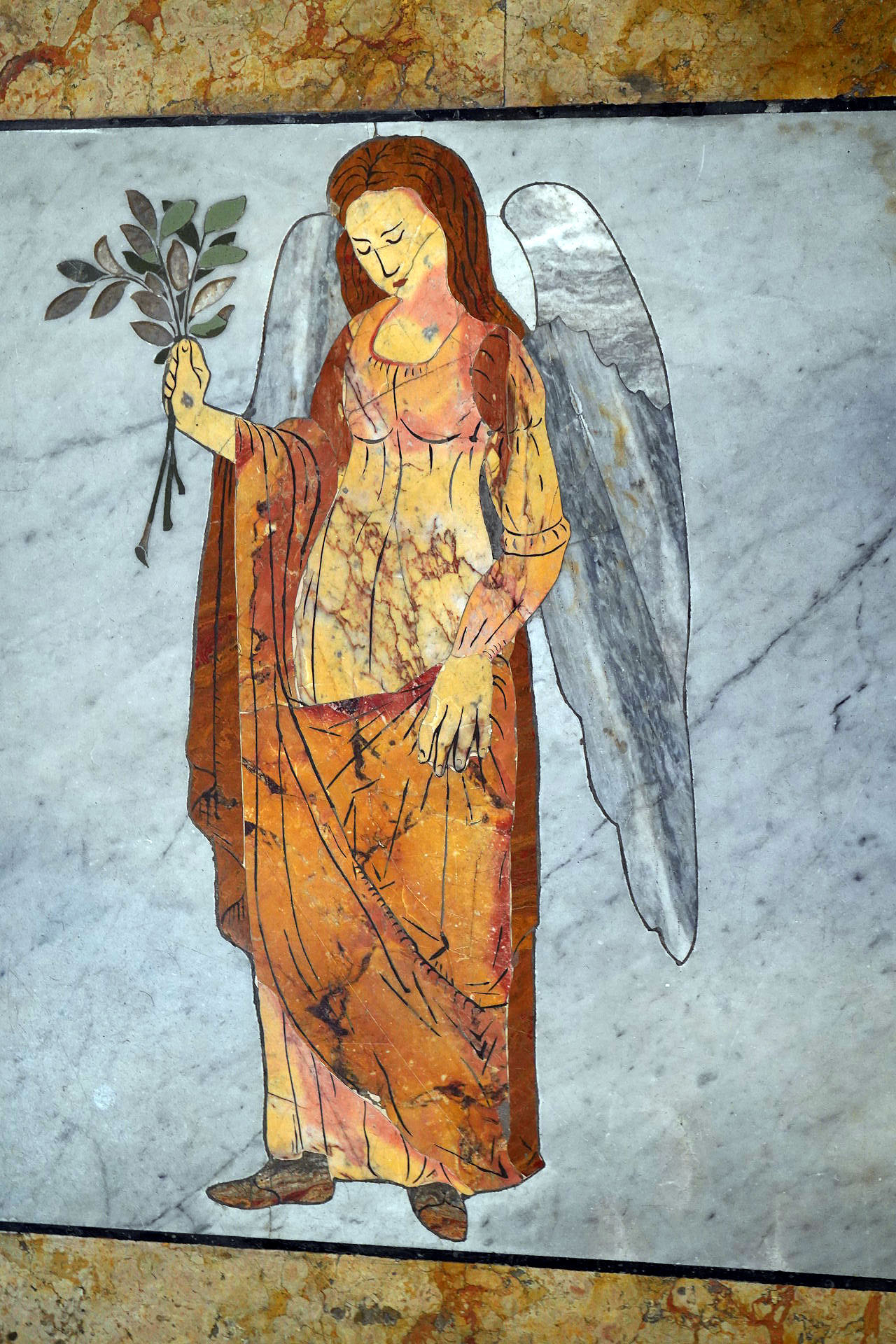
Construction: It is a 45-meter-long meridian line on the floor of the basilica, with a pinhole aperture located high up in a window.
Mechanism: Sunlight passes through the pinhole, creating a sharp, distortion-free image on the floor. The position of this image along the line indicates the day of the year.
Significance: It was one of the most accurate timekeeping devices in Rome from 1702 until 1846 and is still a subject of study for its astronomical and historical importance.
Modern relevance: The meridian line is still a popular tourist attraction and is used by astronomers today to study long-term astronomical effects, such as the variation in Earth’s axial tilt.



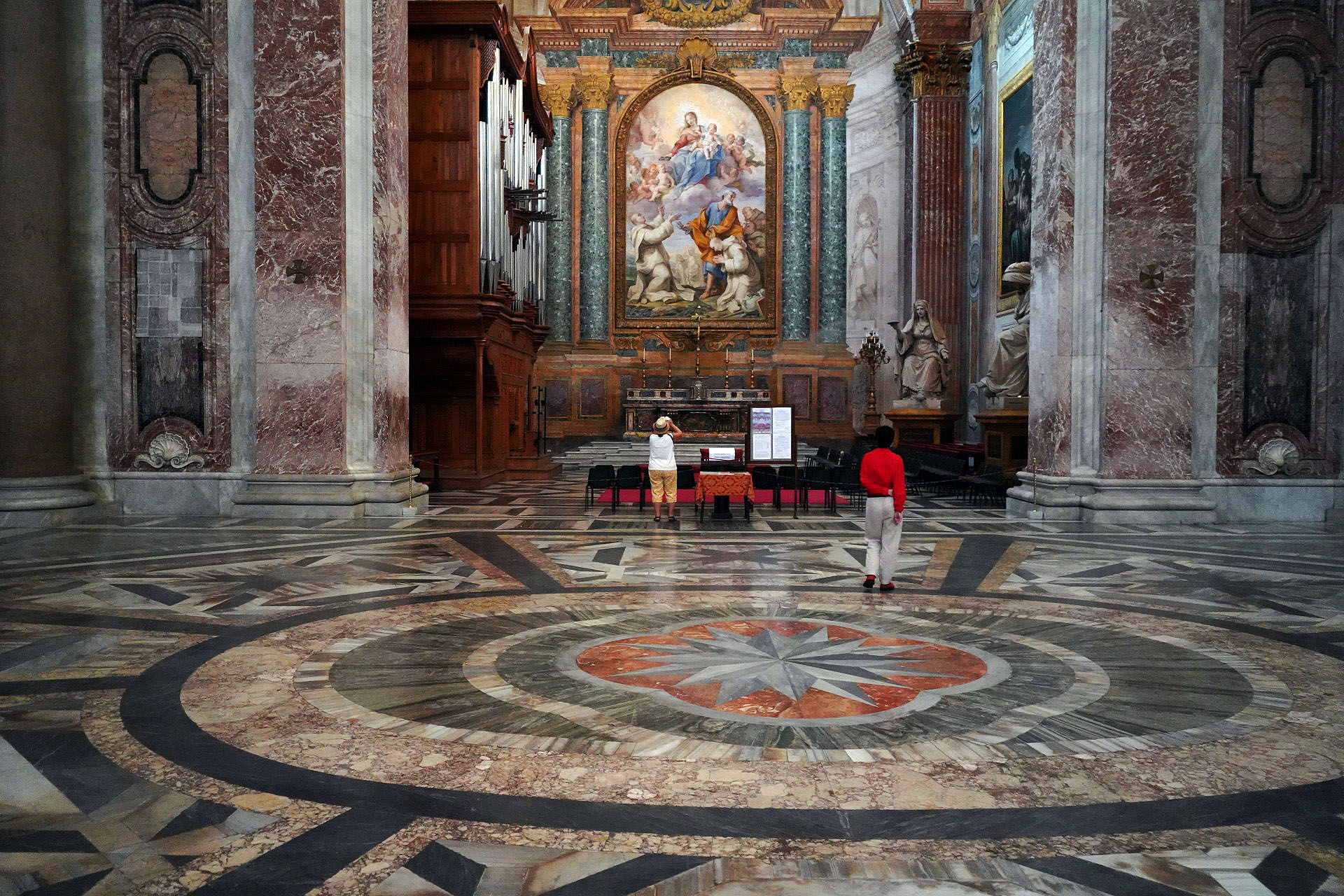
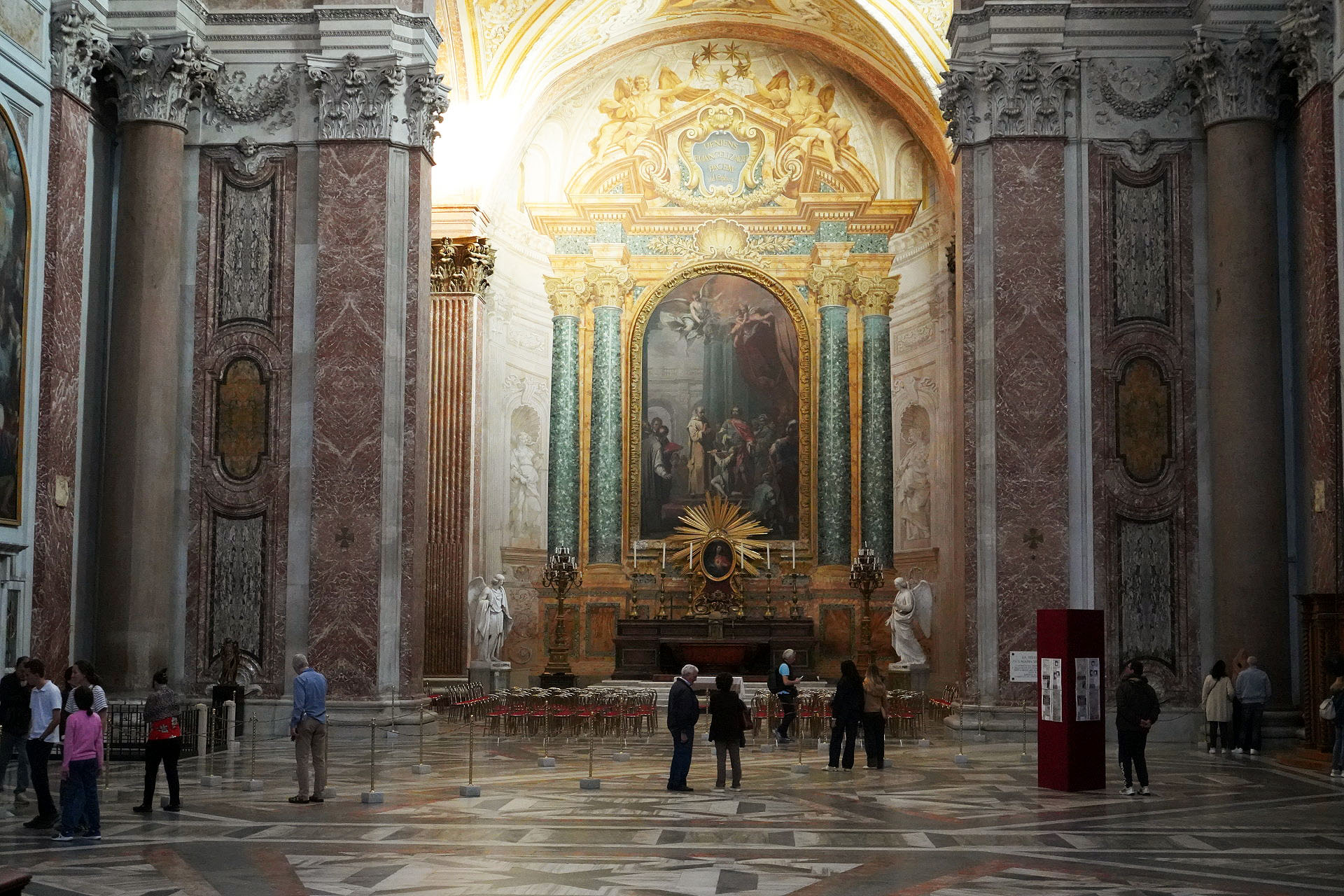
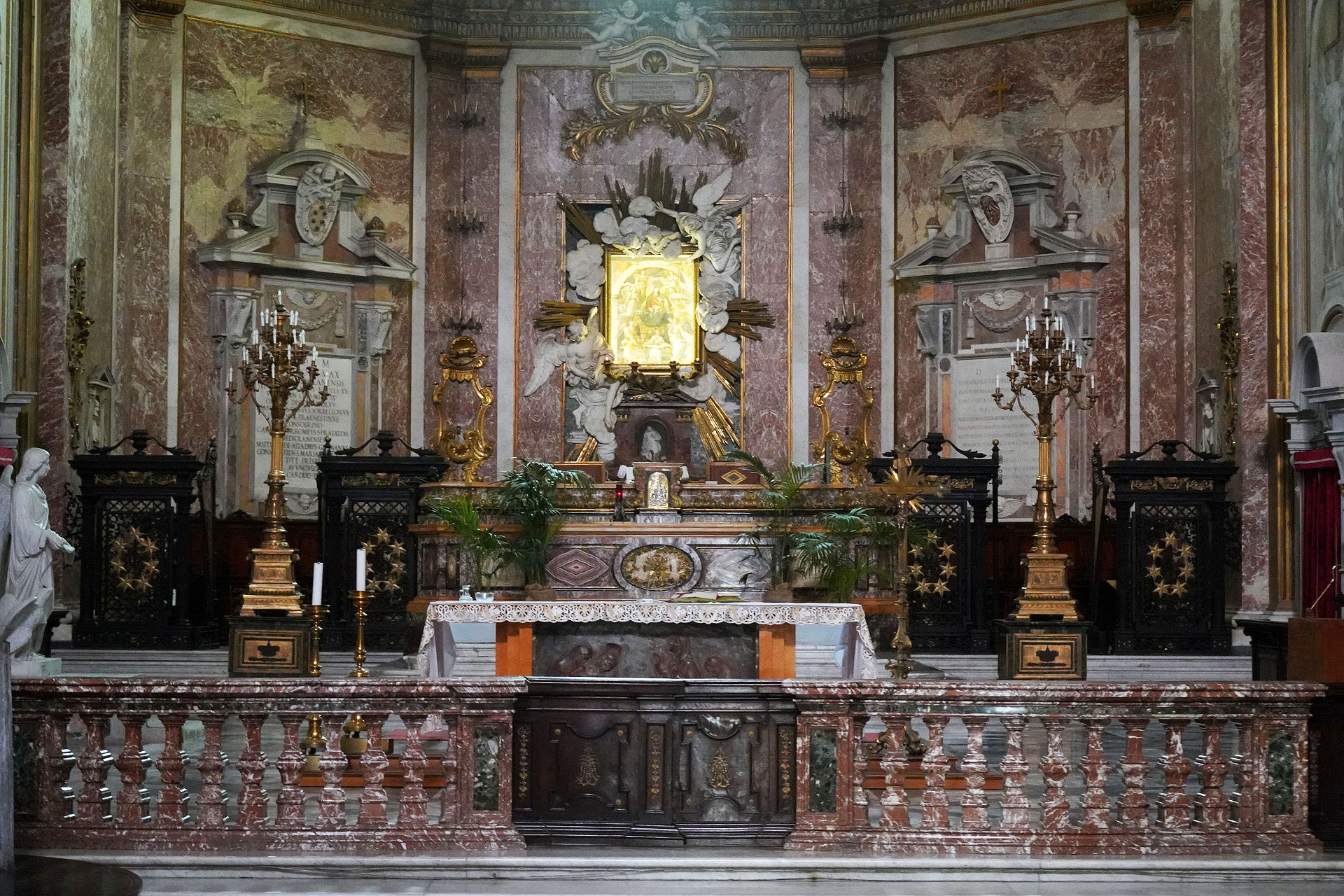
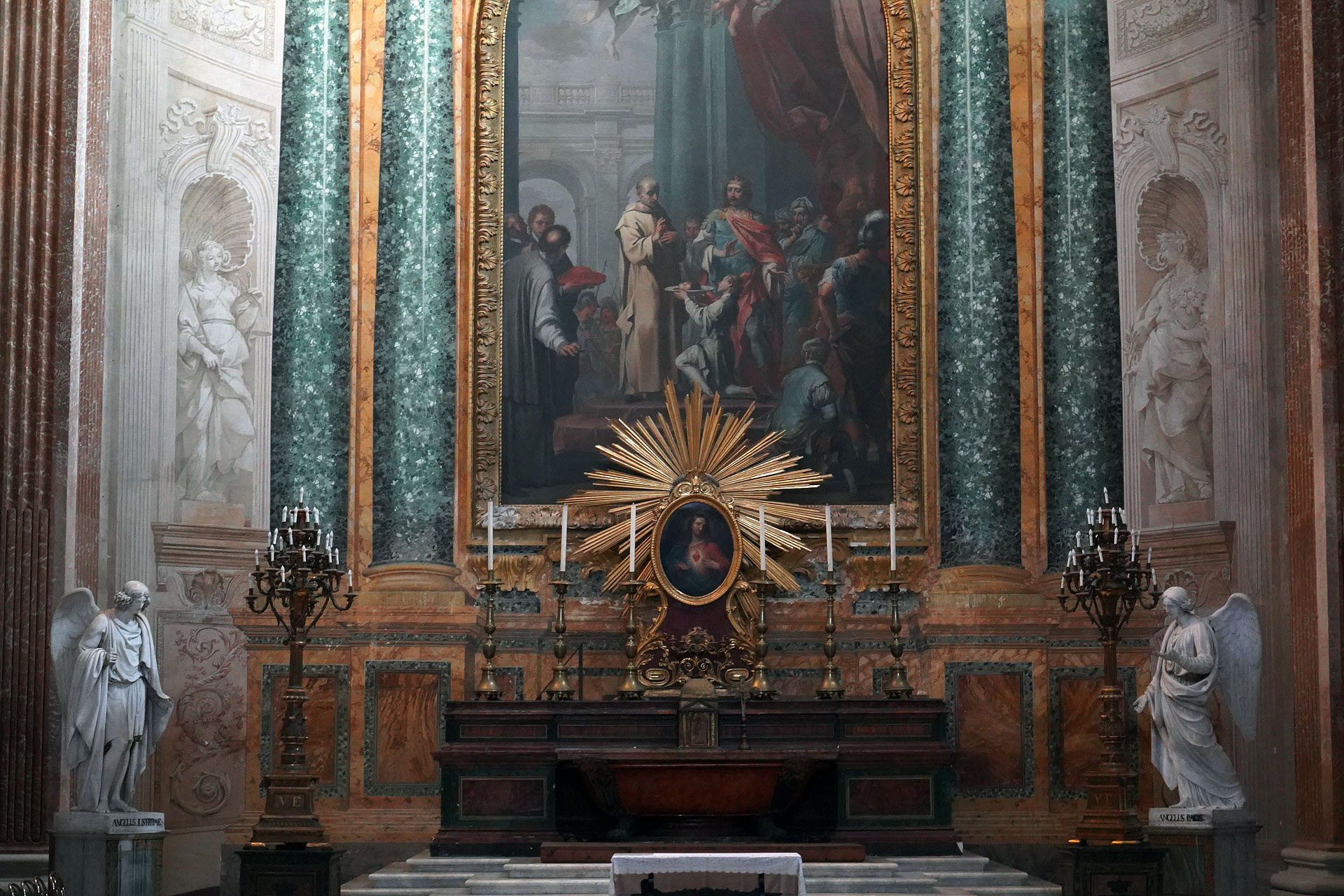
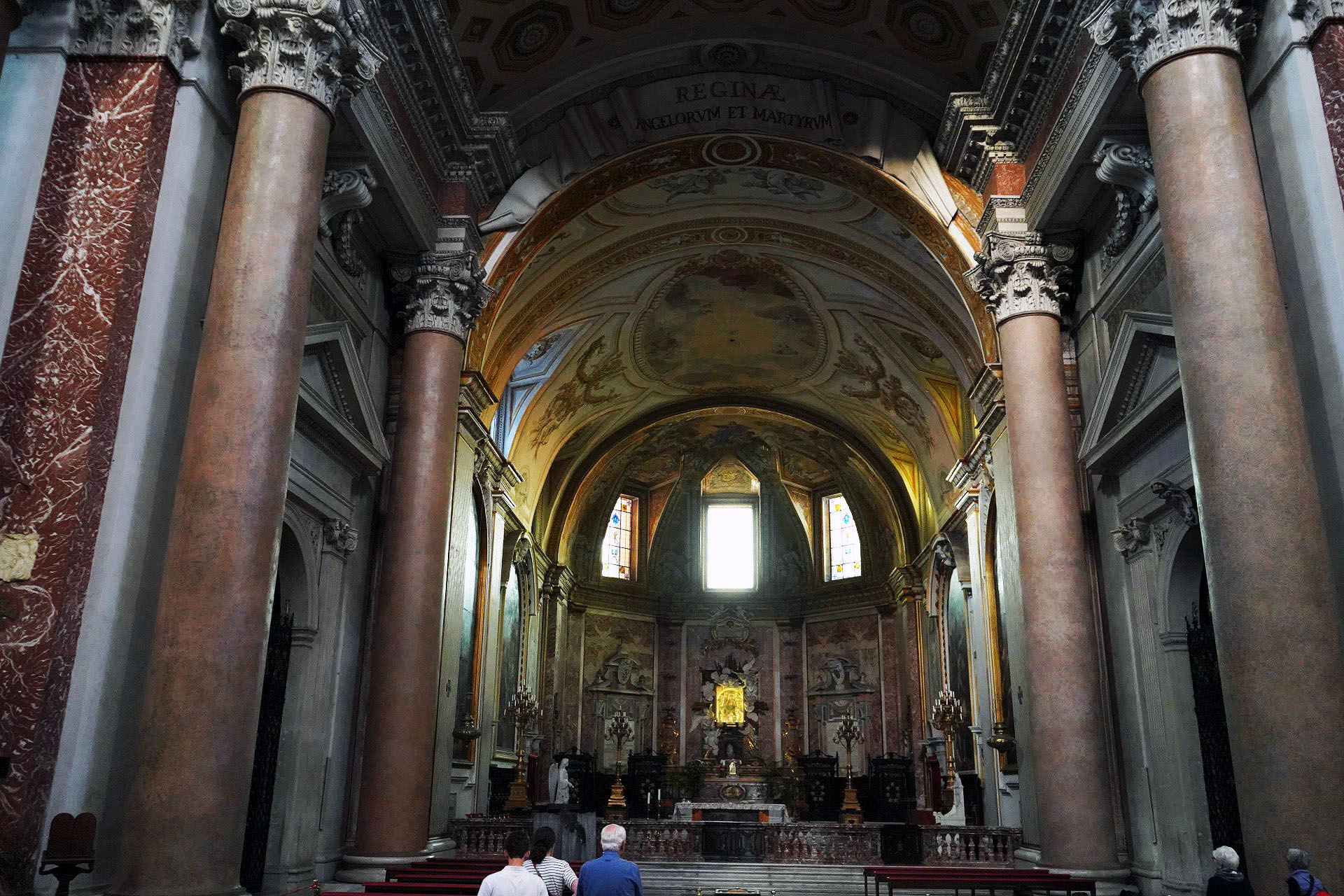
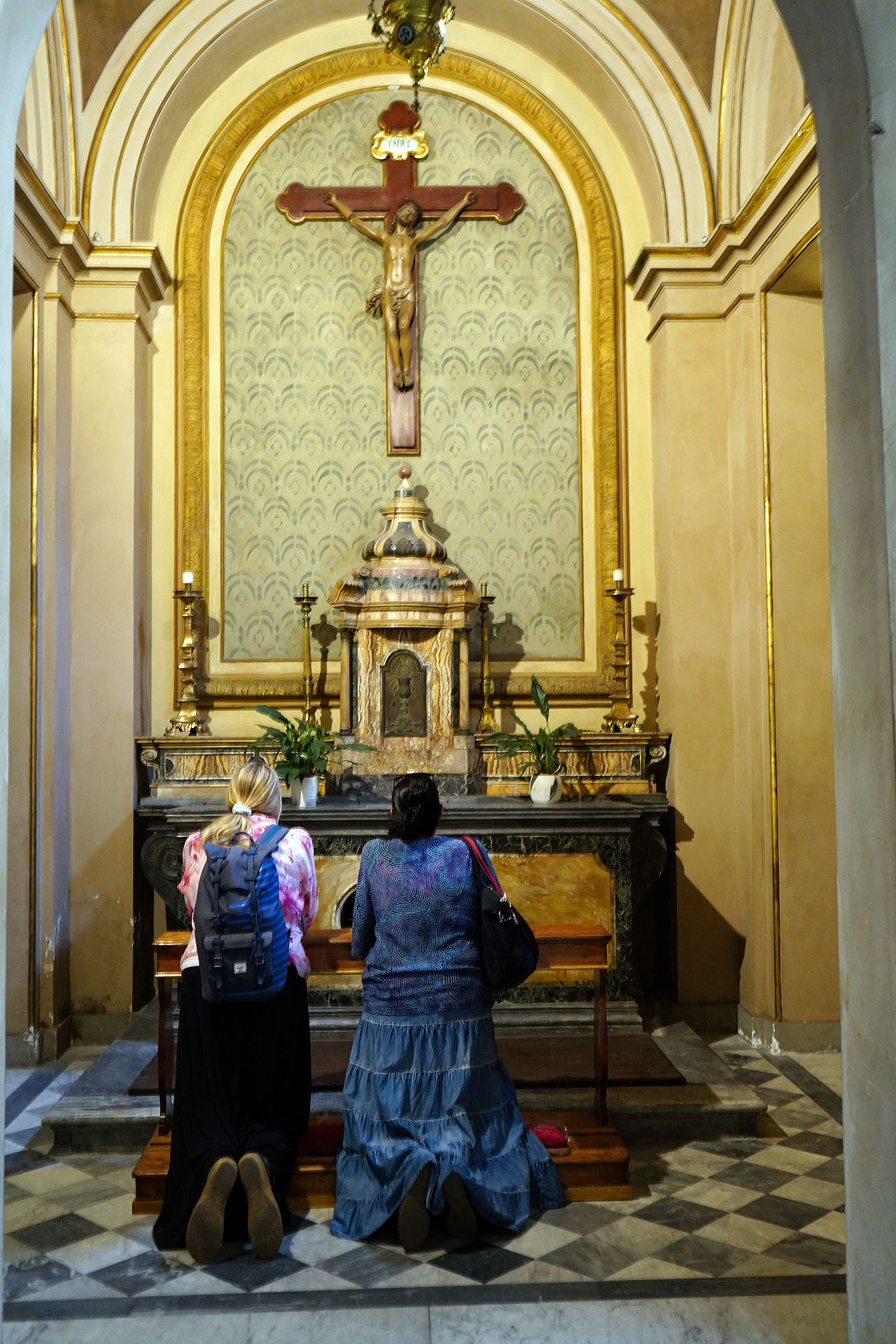
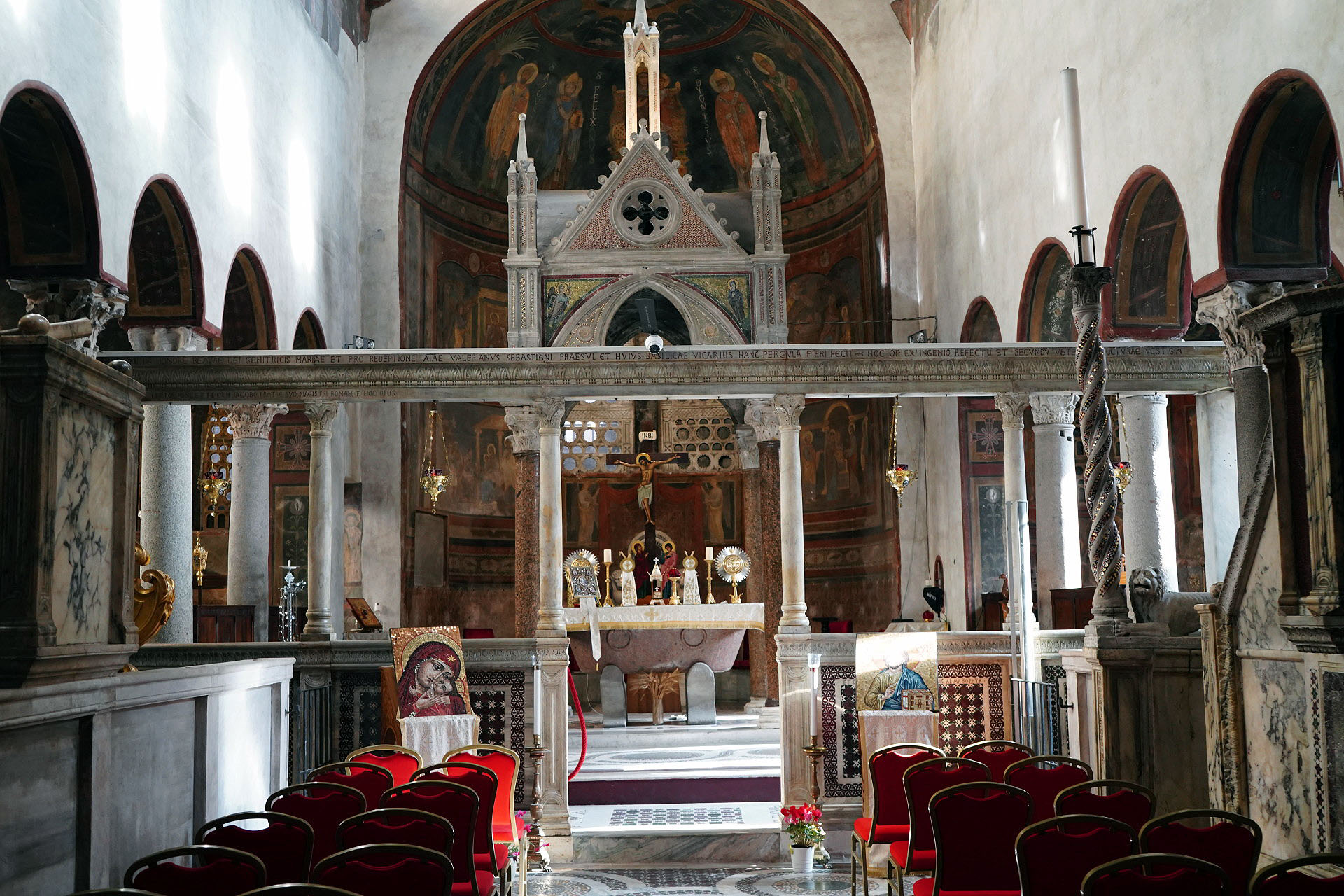
Interior








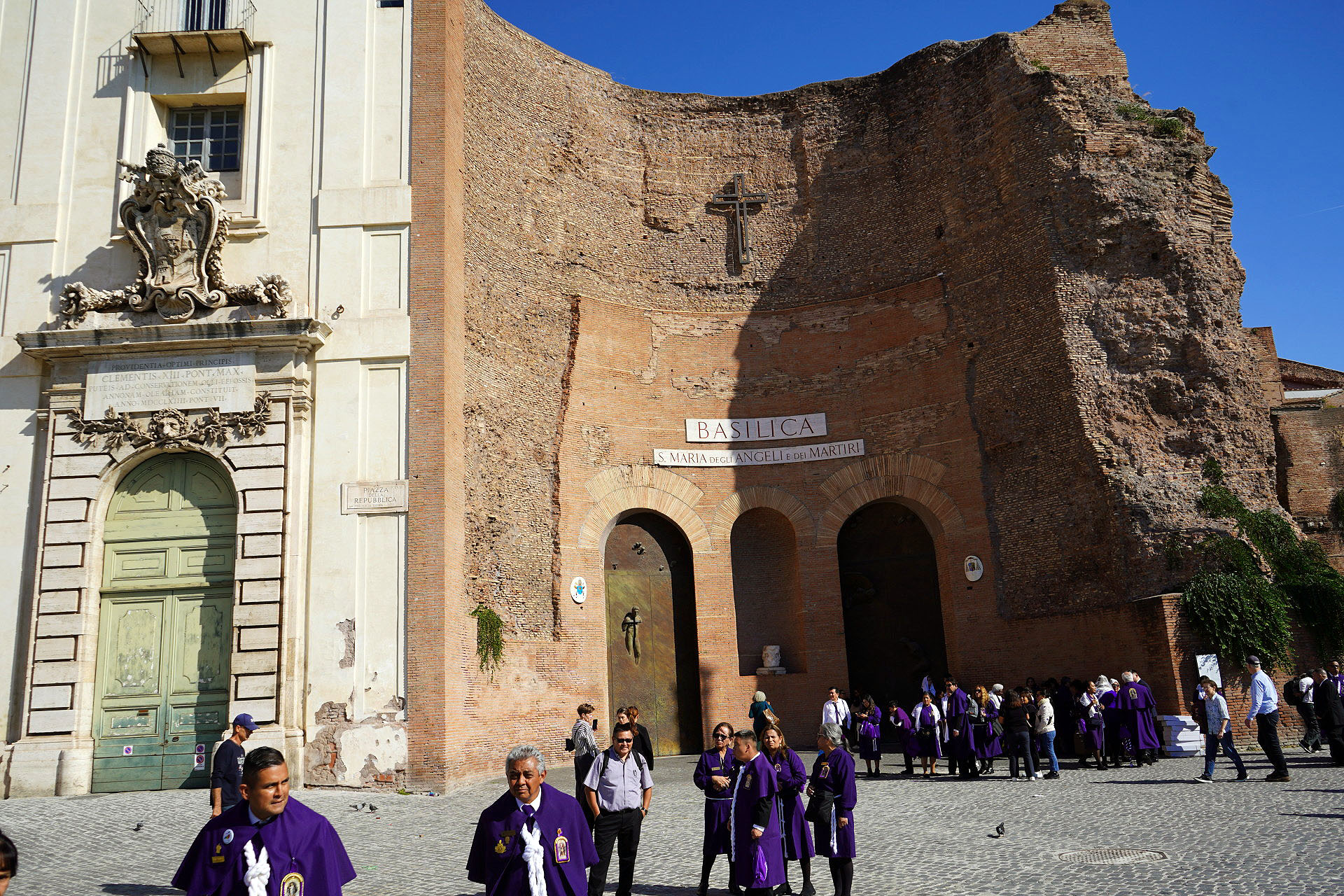
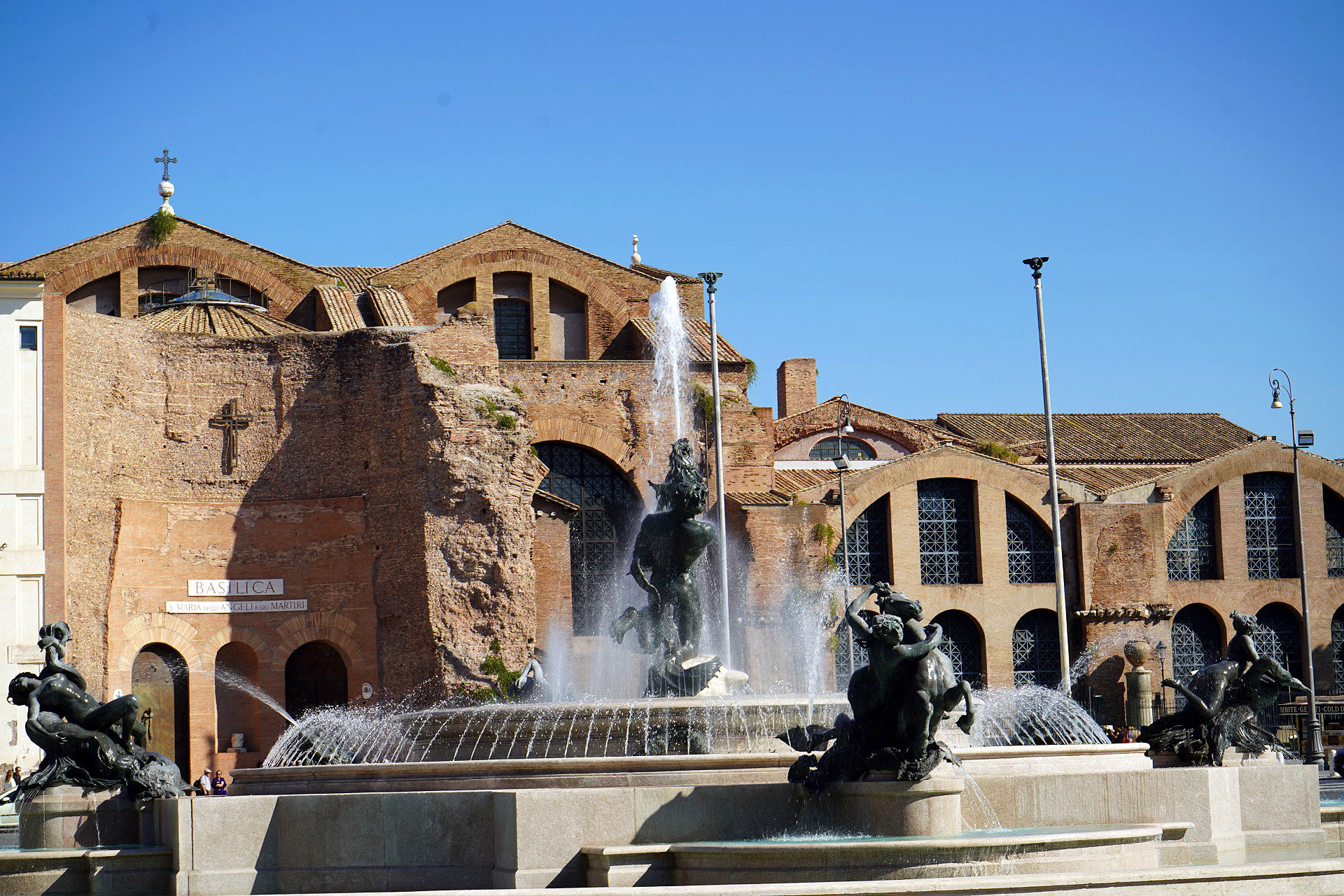
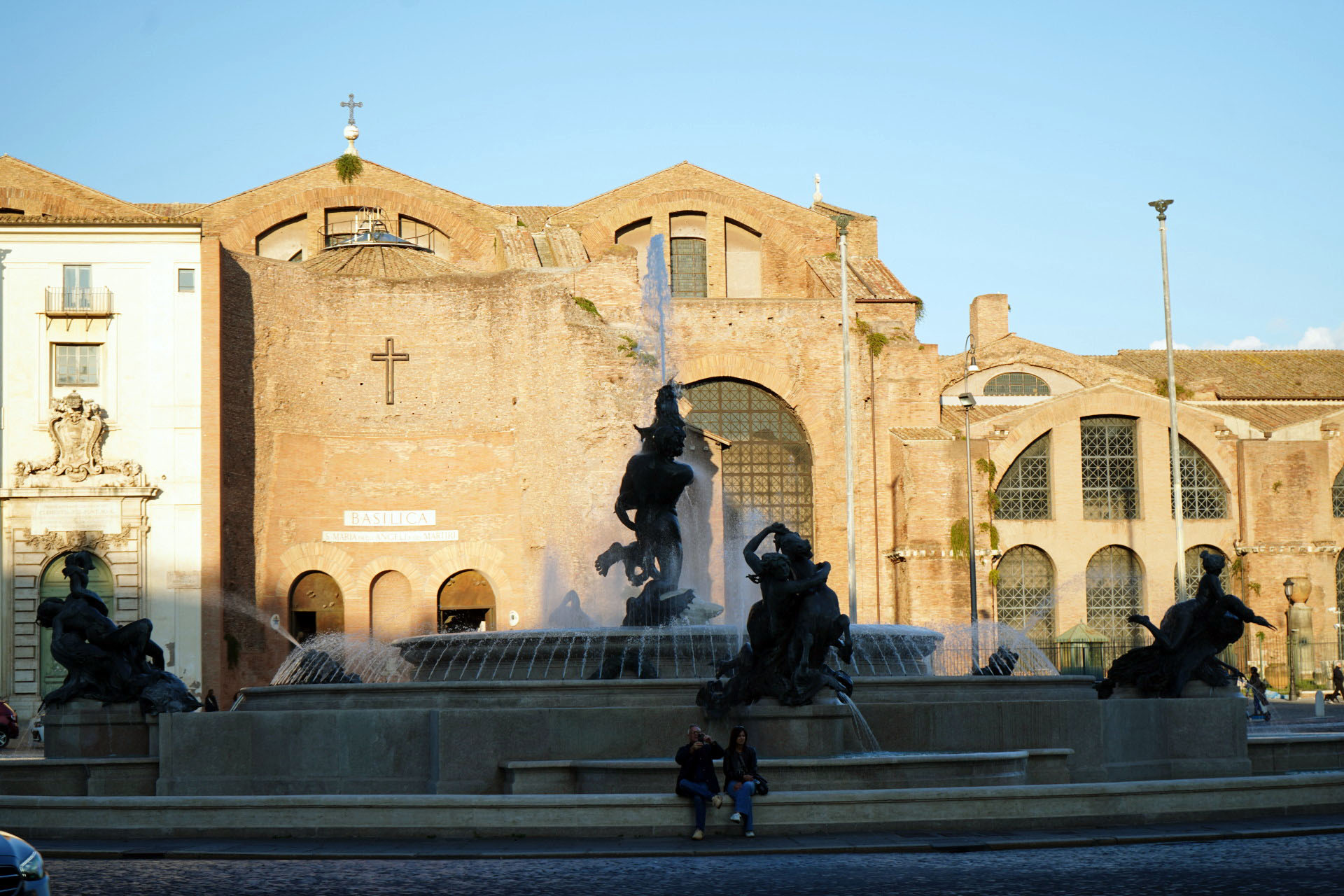
Exterior